
Manual work business processes transformed into digital for efficiency.
Client : PT Anugrah Benet Perkasa
In the past, manual processes were a common sight in many businesses, with paper-based documentation and human labor at the forefront. However, these processes were often plagued with inefficiencies and prone to human error, resulting in delays, mistakes, and lost business. The use of paper documents and forms also made it easy for important information to be misplaced or lost altogether.
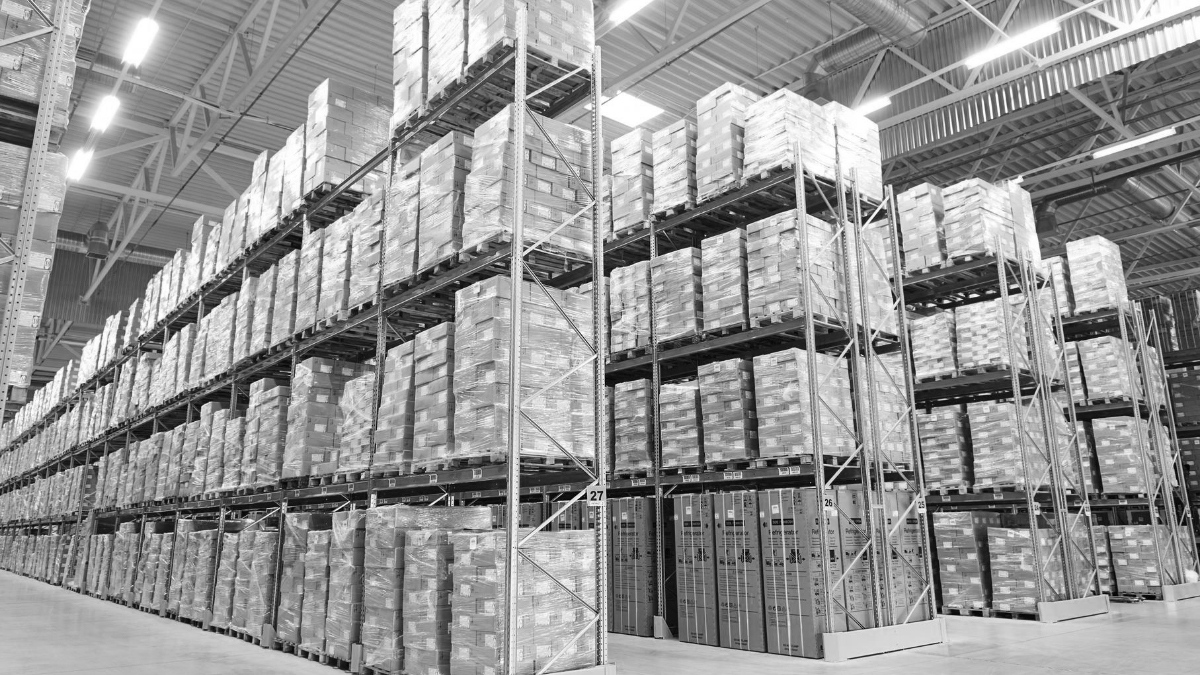
Problem The problem in business is the manual data collection and non-integrated data, resulting in inefficient workflow, difficulty in managing over 5000 product data,human error and many data errors duringstock taking, and so on.
The Goal of digital transformation is to enable businesses to leverage technology to streamline operations, improve customer experience, and stay competitive in the modern market. By embracing digital processes, businesses can automate routine tasks, reduce human error, and gain real-time insights into their operations. This allows for faster decision-making, better collaboration between teams, and more personalized interactions with customers. Digital transformation also enables businesses to access a wider range of data and use it to make informed decisions, improve efficiency, and innovate in new areas. Ultimately, the goal of digital transformation is to create a more agile and responsive organization that can quickly adapt to changing market conditions and capitalize on emerging opportunities.
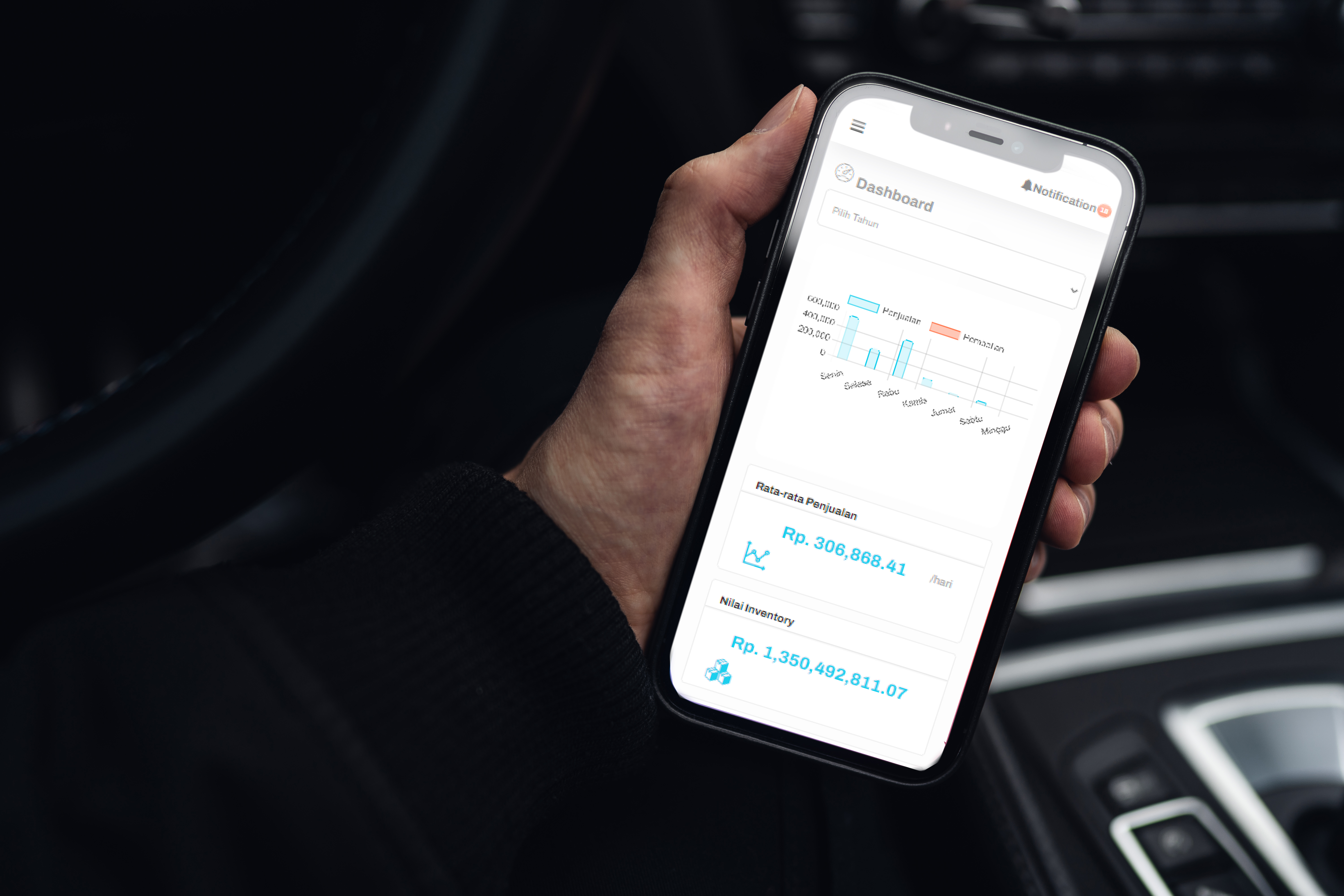
One of the key features of digital transformation is the ability to monitor operations easily using a variety of devices, such as smartphones, laptops, and tablets. This enables businesses to keep a close eye on their operations and respond quickly to any issues that arise. With real-time updates, managers can monitor inventory levels, track customer orders, and view sales data from anywhere at any time. Additionally, this feature allows businesses to be more flexible with remote work and collaboration, as teams can easily access and share data from different locations. This level of monitoring and flexibility is crucial in today's fast-paced business environment, where agility and responsiveness are key to staying competitive.
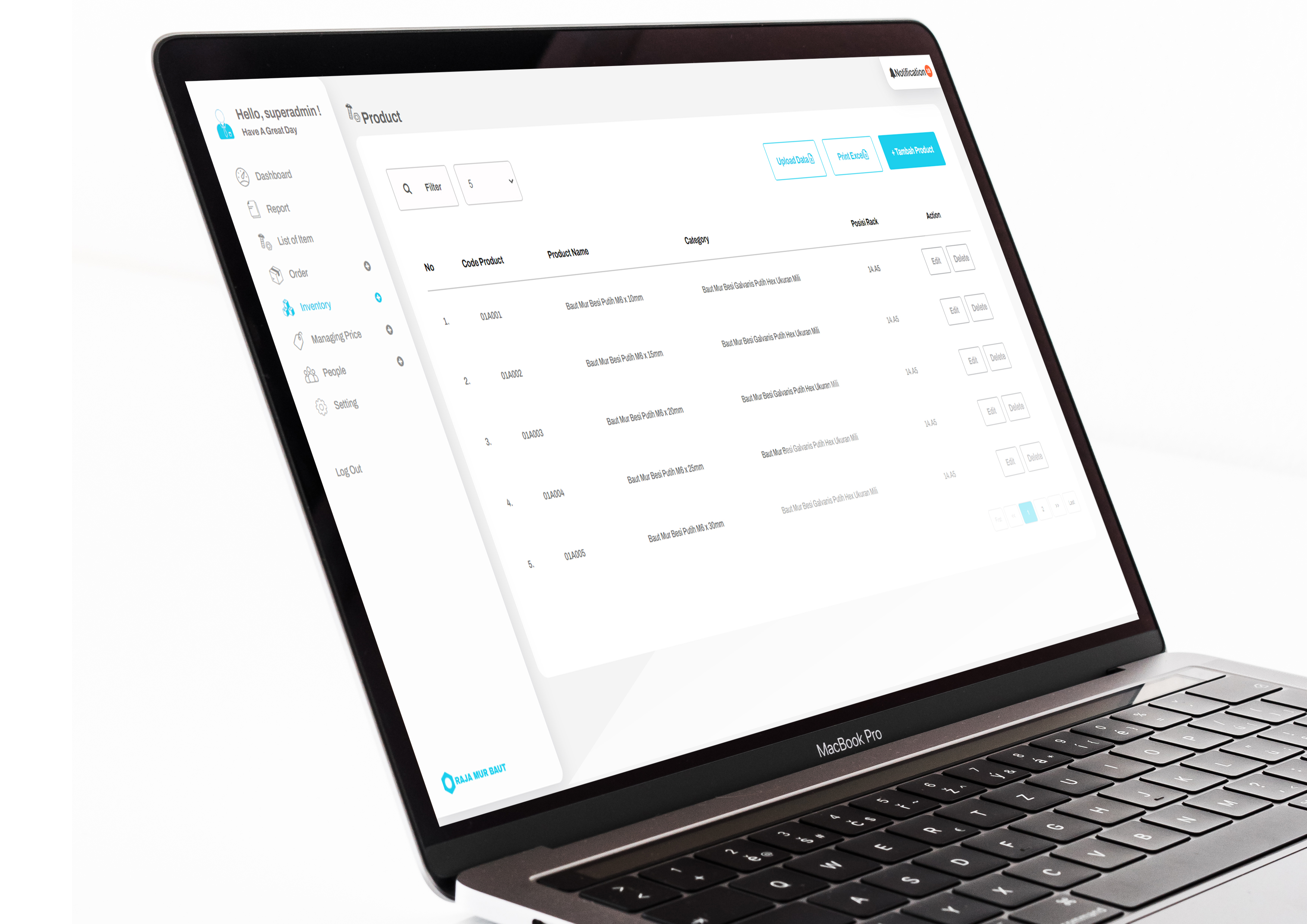
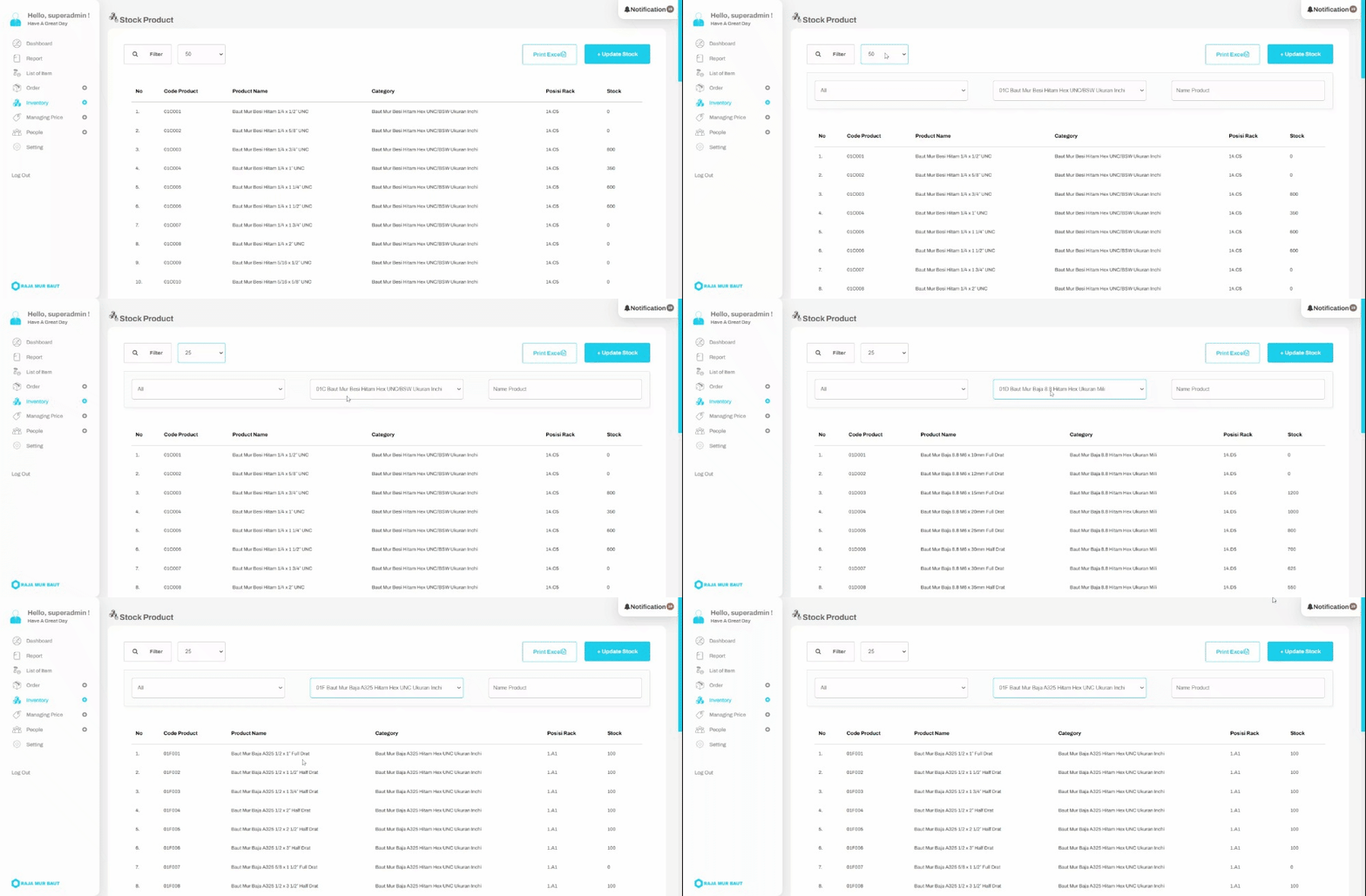
There are numerous features that software can offer to support :
- Automation: Software can automate repetitive and time-consuming tasks, such as data entry, invoicing, and order processing, freeing up time for employees to focus on more complex tasks.
- Employee Records Management: HRMS software typically includes a centralized database to store employee information, such as personal data, job history, salary information, and performance reviews.
- Data analytics: Software can provide real-time insights into business operations, enabling managers to make data-driven decisions and identify areas for improvement.
- Mobility: Software can be accessed from anywhere using a variety of devices, allowing employees to work remotely and stay connected while on the go.
- Analytics and Reporting: HRMS software may include tools to generate reports on key HR metrics, such as turnover rates, employee engagement, and workforce diversity.
- Security: Software can provide enhanced security measures, such as data encryption and user authentication, to protect sensitive business information.
- Integration: Software can integrate with other business systems, such as accounting and CRM software, to provide a seamless workflow and reduce manual processes.
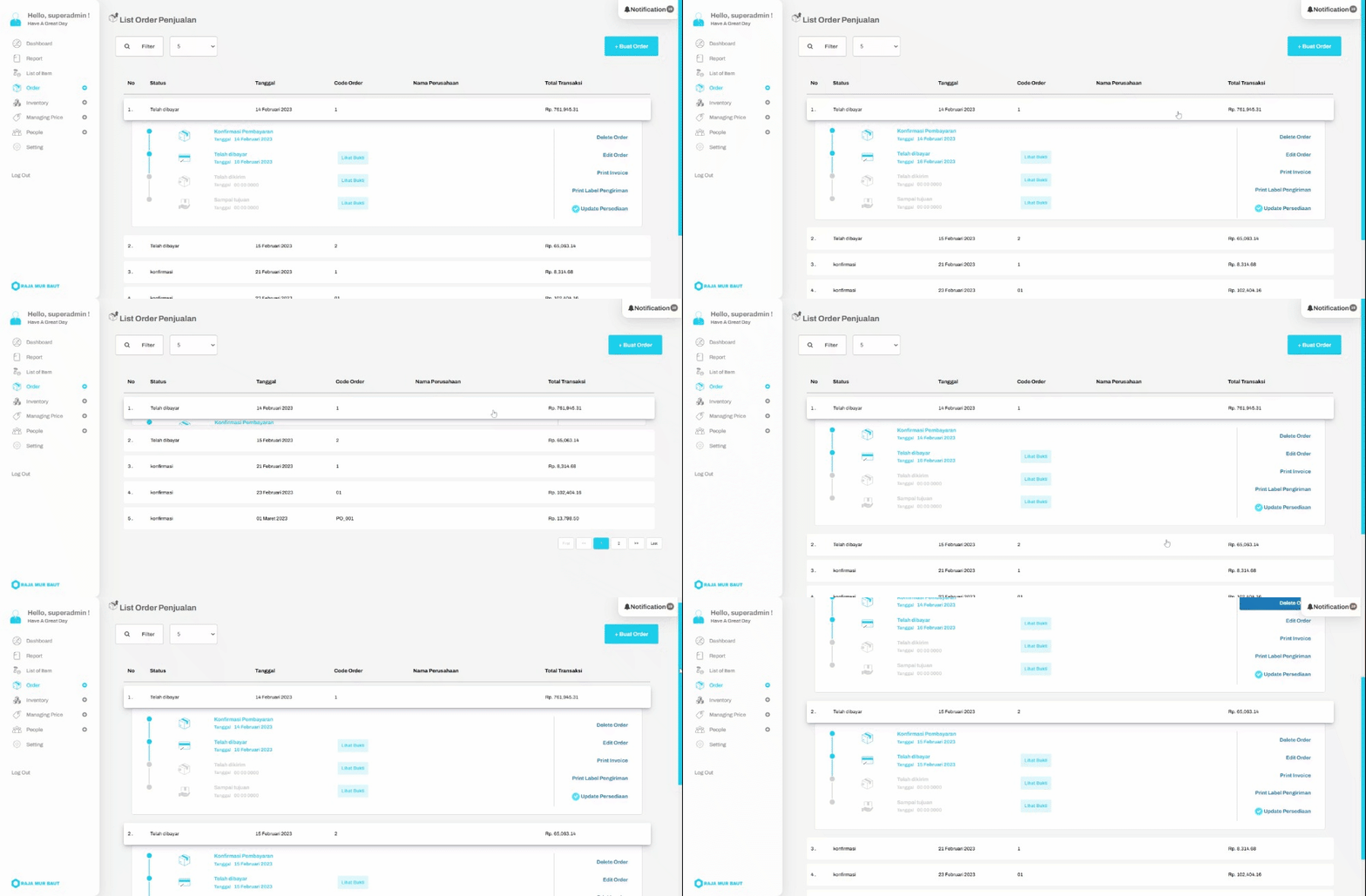
Resolusion the workflow becomes more efficient, reducing operational costs and increasing revenue with a more streamlined workflow.